
MOTORIZED SHADE SYSTEM SELECTION
Motorized Shade Systems
Select the right motorized shade family by light control, privacy, fabric function, mounting condition, power plan, and project requirements.
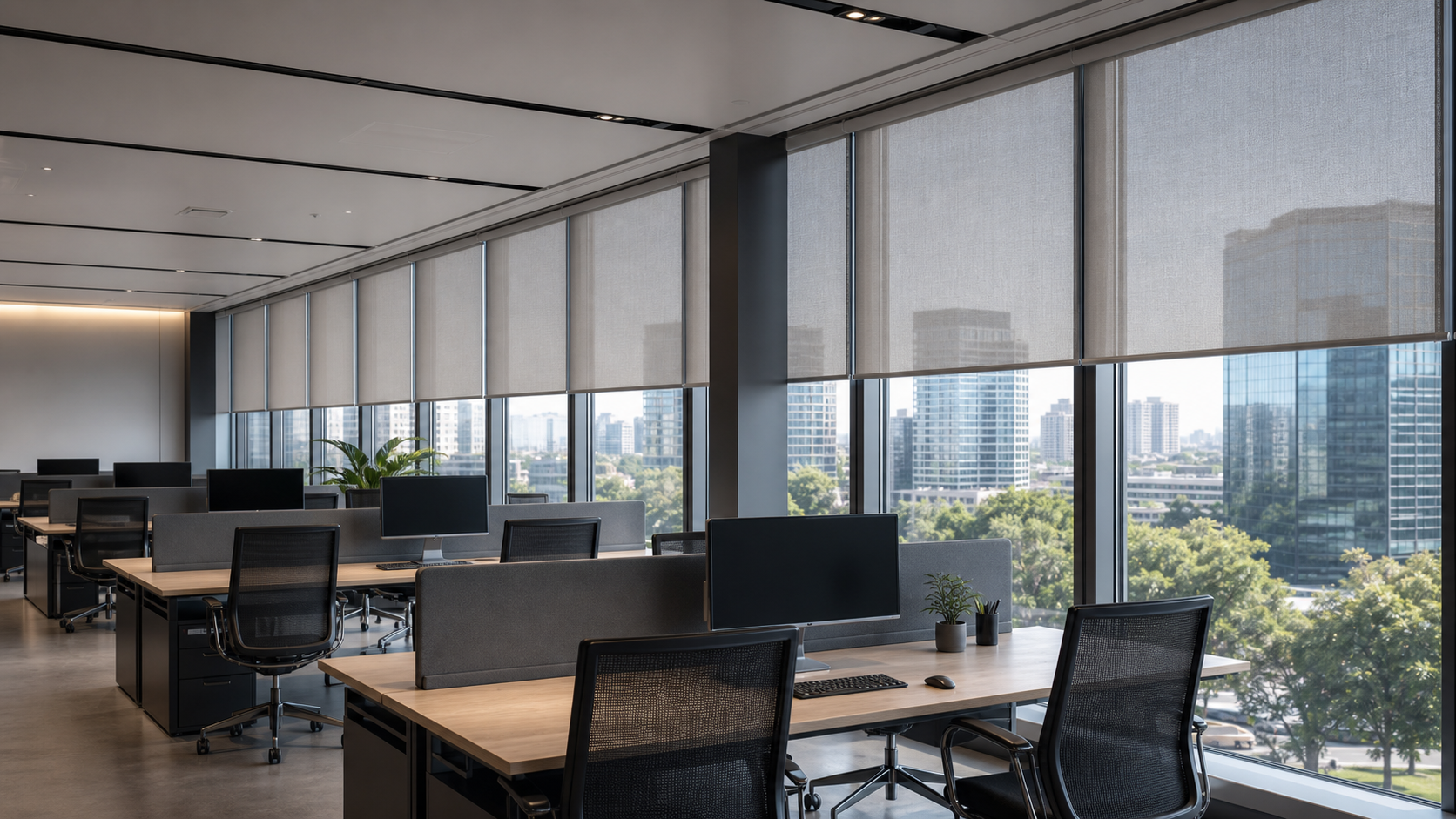
SYSTEM ARCHITECTURE
What a Motorized Shade System Includes
Review the main components that affect product choice, quotation accuracy, and installation planning.
Shade Type
Select the product family first: roller, solar, cellular, dual, zebra, roman, or sheer.
Fabric Function
Define openness, blackout, privacy, insulation, or decorative requirements.
Motor & Tube
Match motor torque and tube specification to window size and shade weight.
Mounting Method
Confirm inside mount, outside mount, ceiling mount, or recessed conditions.
Power Method
Plan wiring, low-voltage, battery, or project-specific electrical requirements.
Project Handoff
Prepare measurements, quantities, schedules, and installation expectations.
PRODUCT FAMILY MATRIX
Compare Shade Types Before Selecting a Product
Compare shade families by their primary performance role before entering detailed product pages.
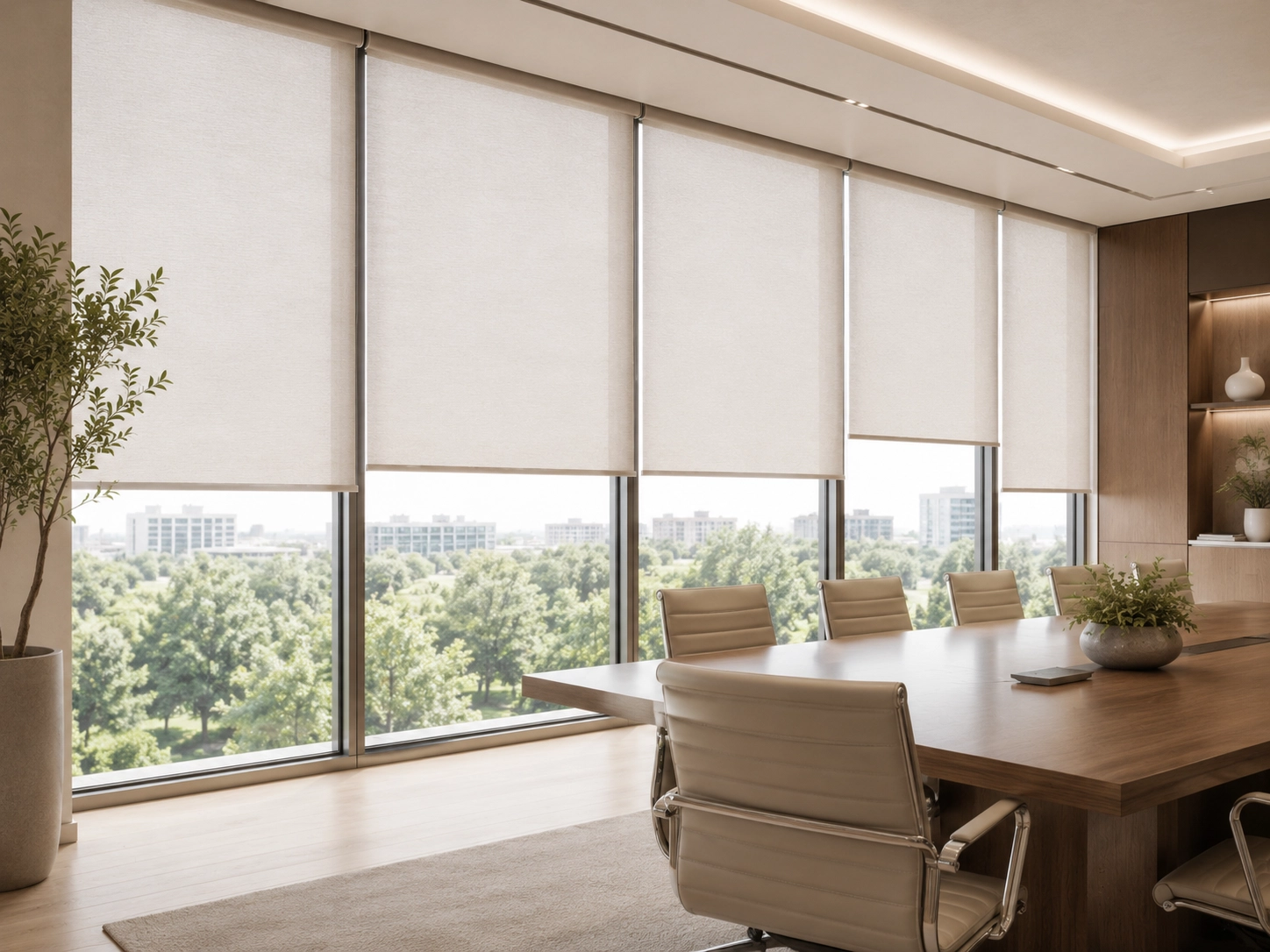
Roller Shades
Balanced daylight, privacy, and simple project specification.
Solar Shades
Glare reduction while preserving outward visibility.
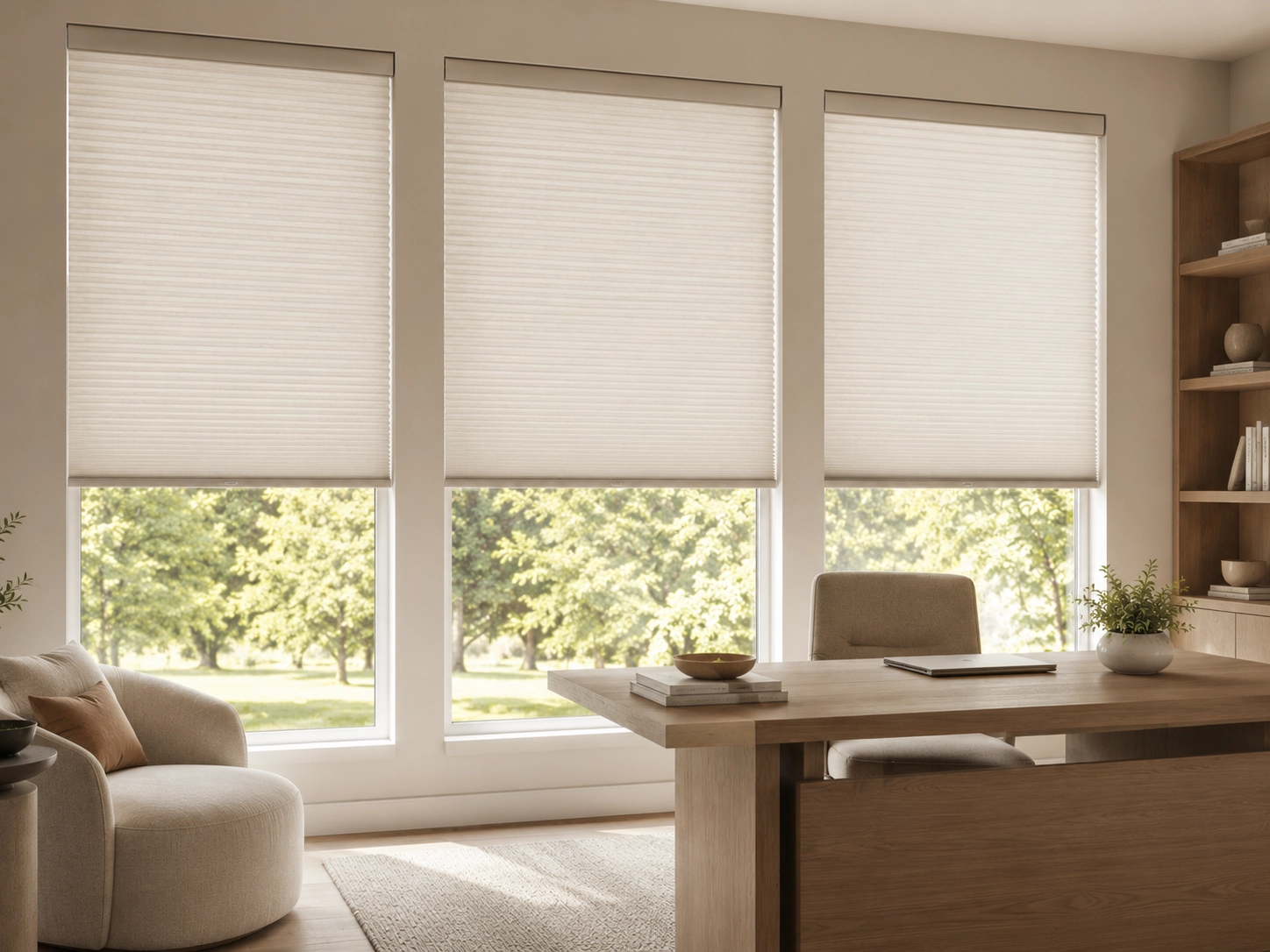
Cellular Shades
Soft light control with improved insulation performance.
Dual Shades
Two fabrics in one opening for day/night control.
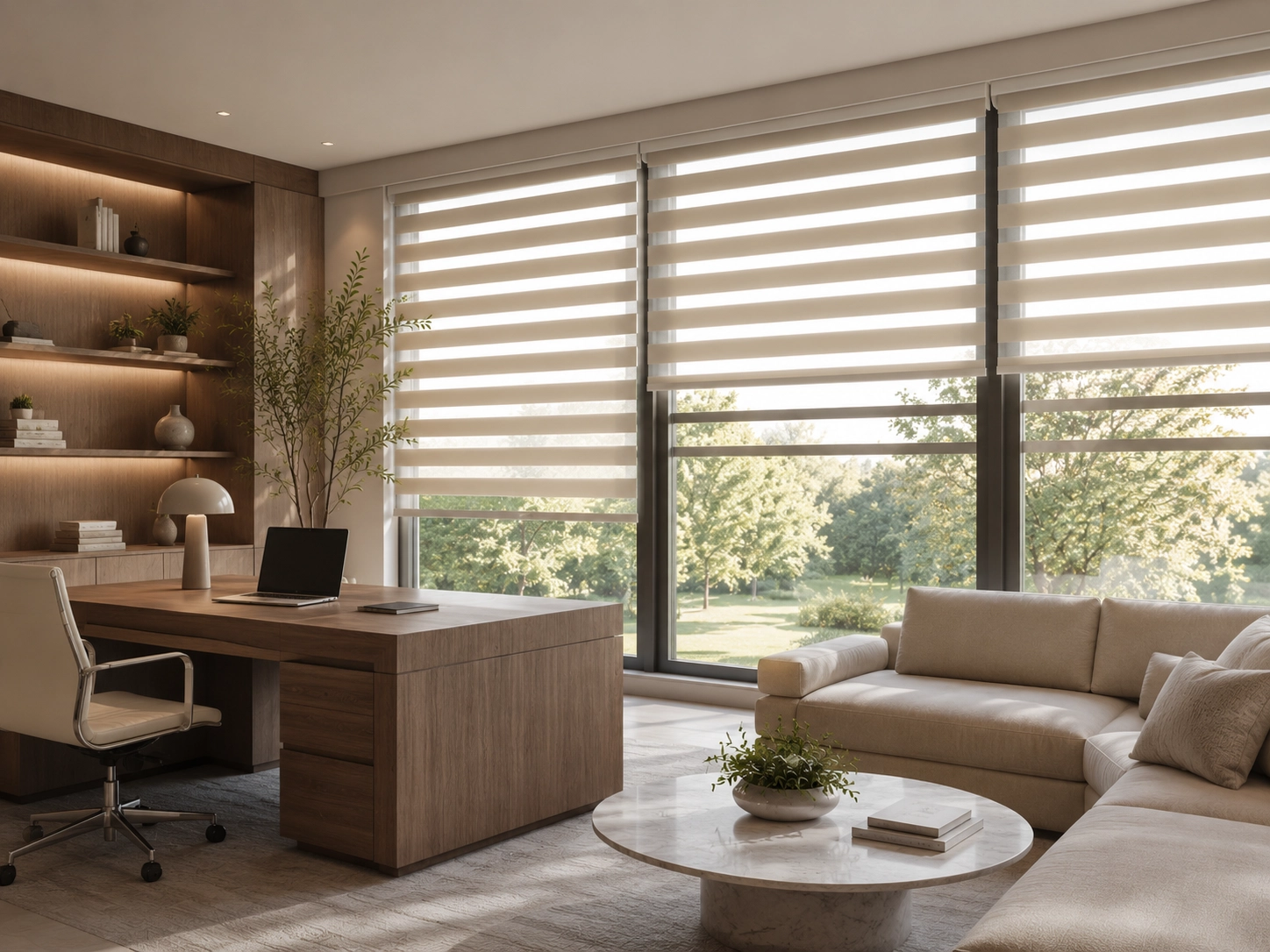
Zebra Shades
Alternating sheer and solid bands for flexible privacy.
Roman Shades
Soft fabric appearance for residential and hospitality interiors.
Sheer Shades
Diffused daylight with a refined interior finish.
CHOOSE BY REQUIREMENT
Select by Performance Need, Not by Product Name
Start with the performance requirement, then narrow the shade family and fabric direction.
Need glare control?
Start with Solar Shades or Roller Shades.
Need blackout?
Consider Roller Shades or Dual Shades with blackout fabric.
Need insulation?
Cellular Shades are usually the first product to evaluate.
Need flexible privacy?
Zebra Shades, Sheer Shades, or Dual Shades may fit better.
Need a softer interior look?
Roman Shades or Sheer Shades can support decorative requirements.
Need one system for mixed rooms?
Use Roller, Solar, and Dual Shades as a coordinated package.
SPECIFICATION CONSIDERATIONS
Information Needed Before Recommendation
These details help align product recommendation, pricing, and production planning.
Window Dimensions
Opening size, quantity, and grouping affect motor and tube selection.
Mounting Conditions
Inside mount, outside mount, ceiling mount, and recessed pockets change hardware planning.
Fabric Requirement
Openness, blackout, privacy, color, and heat performance should be clarified early.
Power Planning
Battery, wired, and low-voltage options require different project coordination.
Control Scope
Individual, grouped, scheduled, or integrated operation should be defined by zone.
Installation Phase
Confirm whether the project is design-stage, tender-stage, or ready for production.
RELATED SOLUTIONS
Where Motorized Shade Systems Are Commonly Used
Explore common project environments where motorized shade systems are specified.
Commercial Offices
Use shade systems to manage glare, privacy, and daylight across work zones.
Hotels & Apartments
Coordinate guest room comfort, visual privacy, and repeatable room operation.
Residential Projects
Support smart-home shade packages for villas and multifamily projects.
Education & Public Buildings
Plan classroom and public-space daylight control by room type.
RELATED PRODUCT PAGES
Move From System Selection to Product Details
Continue to product details once the shade family is clear.
Need help choosing the right shade system?
Send window dimensions, room types, fabric expectations, power preference, and project quantity for a more accurate system recommendation.
Request Specification Support